
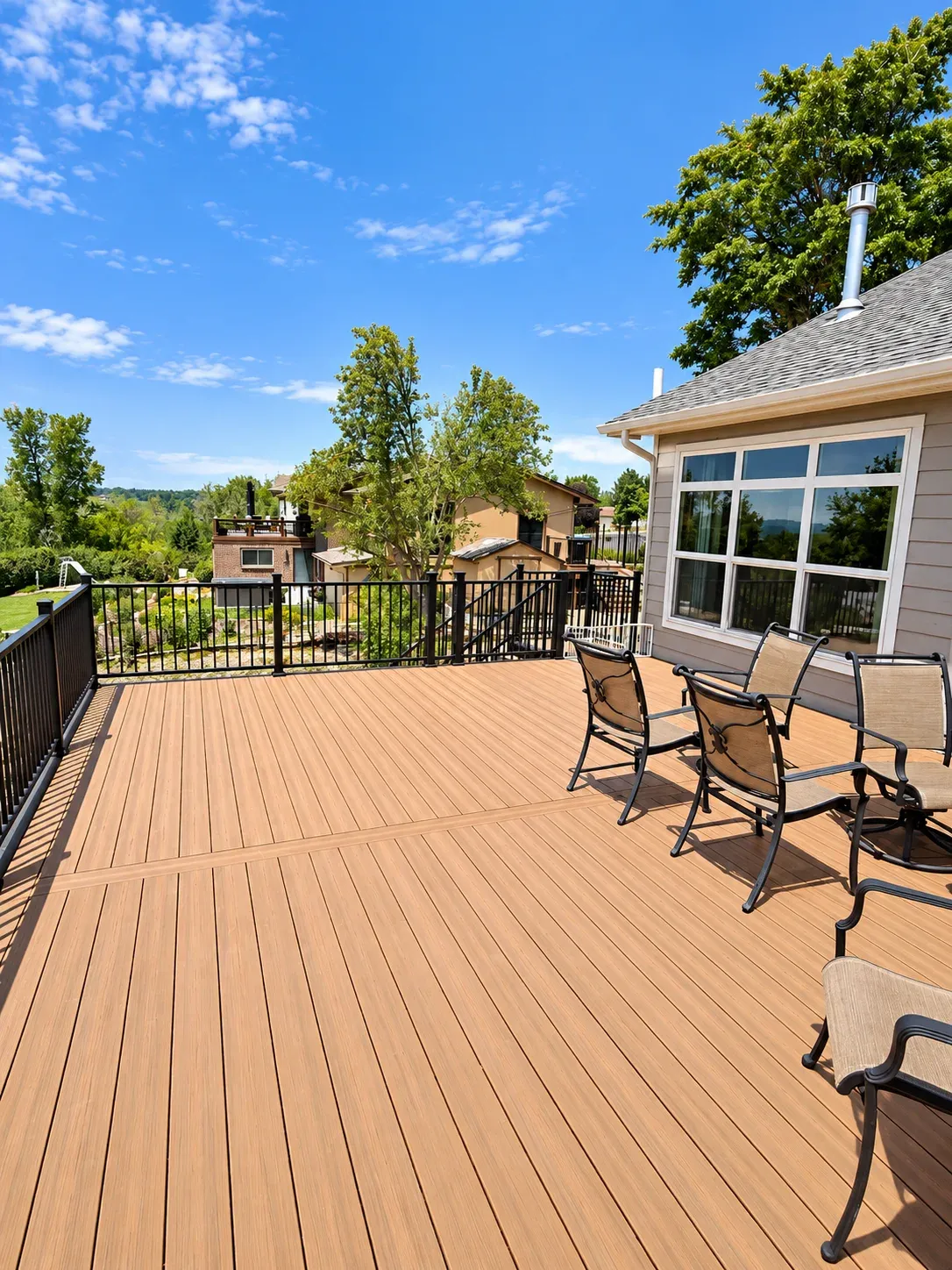
Understanding Deck Safety Month
May is Deck Safety Month, a national initiative dedicated to raising awareness about the importance of maintaining safe outdoor spaces. With the arrival of warmer weather, many families look forward to spending more time outdoors, particularly on their decks. Decks can serve as an extension of our living space, providing a place for relaxation, social gatherings, and family fun. However, the increased use of decks during the warmer months also highlights the potential risks associated with them.
Deck Safety Month emphasizes the need for regular inspections, maintenance, and adherence to safety guidelines to prevent accidents and injuries. By learning about deck hazards and taking proactive steps, homeowners can help keep their decks secure and inviting.
At Blackrock Landscape, every deck, patio, walkway, or retaining wall is designed with both function and long-term performance in mind. By carefully planning layout, materials, and drainage, we create spaces that not only look clean and refined, but also hold up over time and actually get used.
This guide covers common hazards, essential maintenance, safety inspections, material choices, furniture safety, and more. It is a starting point for planning and maintenance, not a substitute for a qualified professional's structural inspection or applicable building requirements.
Importance of Deck Safety
A safe deck is essential for the well-being of everyone who uses it. Decks are often elevated structures, and any structural failure or safety oversight can lead to serious injuries. Keeping your deck in good condition helps protect your family and guests while preserving the investment you have made in your home.
Working with a professional team makes a noticeable difference in both the process and the final result. At Blackrock Landscape, we focus on thoughtful design and precise installation. This level of attention helps prevent common issues and creates outdoor spaces that feel solid, intentional, and built to last. Even with suitable materials and installation, upkeep is essential.
Loose or rotting boards can cause trips and falls, while unstable railings can fail to provide adequate support. Regular inspections and maintenance can help identify issues before they become serious problems. Prioritizing safety also helps make your deck a welcoming space for relaxation, socializing, and family activities.
Common Deck Hazards to Watch For
One of the most prevalent issues is wood rot, which occurs when moisture infiltrates wood and leads to decay. Rotting wood can weaken the structural integrity of a deck. Look for visible signs such as soft or discolored wood, and arrange a professional assessment if you suspect rot.
Loose or corroded fasteners, including nails, screws, and bolts, are another common hazard. Over time, these connections can loosen because of weathering, heavy use, or natural wear. Damaged connections can affect railings, surfaces, and structural stability.
Railings and balusters are critical safety features, especially for elevated decks. Watch for visible movement, damaged components, gaps, or loose attachments. Do not lean on or load a railing to test a suspected defect. Keep people away from unsafe areas and have a qualified professional evaluate and repair the problem before use.
Regular Maintenance Tips for Decks
Regular maintenance supports the longevity and safety of your deck. Clean the surface to remove dirt, mold, and mildew using products and methods approved for the decking material. Pressure washers can damage some surfaces or finishes, so follow the manufacturer's instructions rather than assuming more pressure is better.
Wood decks may need a suitable sealant to protect against moisture and weathering. Resealing schedules depend on the product, material, exposure, and condition of the existing finish. Follow the manufacturer's recommendations and check the surface regularly instead of relying on a single schedule for every deck.
Inspect deck boards, fasteners, railings, and stairs for wear and damage. Look for cracks, splinters, protruding nails, and loose connections. Address problems promptly, and involve a qualified professional when damage affects structural parts or the cause is unclear.
Essential Safety Inspections for Decks
Regular safety inspections help identify potential hazards before they become more serious. The foundation, posts, support beams, and connections to the home all matter. Visible movement, settlement, leaning posts, or damaged connections warrant professional attention.
Check deck boards for cracks, splinters, and visible rot, especially near areas exposed to water such as downspouts and around planter boxes. Damaged walking surfaces and protruding fasteners can create trip hazards.
Railings, balusters, stairs, and handrails should be inspected for secure attachment and damage. Footings, ledger connections, flashing, and structural fasteners may not be fully visible during a homeowner's check. A qualified deck professional can assess these components and determine whether repairs or further evaluation are needed. Stop using a deck with suspected structural defects until it has been evaluated.
Choosing the Right Materials for Deck Construction
Selecting appropriate materials is essential for long-term durability. Wood is a popular choice for its natural beauty and versatility. Pressure-treated lumber is treated to resist decay, while cedar and redwood offer natural resistance. Wood still requires appropriate maintenance and protection against weathering.
Composite decking, typically made from a blend of wood fibers and plastic, offers another option. Many products resist rot and insects and require less routine surface maintenance than wood. Product performance varies, so review the specific manufacturer's installation, cleaning, heat, and slip-resistance guidance.
Aluminum and PVC decking can offer a more modern appearance and different maintenance characteristics. Material selection should account for sun exposure, drainage, traction, climate, structural requirements, and the way the space will be used. Even a low-maintenance deck needs inspection of its framing, connections, stairs, and railings.
Deck Furniture Safety Best Practices
Deck furniture can enhance the functionality and comfort of your outdoor space, but it should be appropriate for outdoor use and able to withstand exposure to the elements. Look for suitable materials and weather-resistant finishes. Indoor furniture may not be designed for outdoor conditions.
Keep furniture stable and secure. Wobbly chairs, tables, and loungers can pose a safety risk. Check their condition and tighten loose hardware according to the manufacturer's instructions. Heavy items, including grills, large planters, and hot tubs, require suitable support and must not exceed the deck's designed load capacity. Ask a qualified professional before adding concentrated loads.
Arrange furniture to allow safe, easy movement without blocking doors, stairs, or other exits. Leave clear pathways and keep climbable furniture away from guardrails, particularly where children use the deck.
Child and Pet Safety on Decks
Children and pets can be particularly vulnerable to accidents and injuries. Gates at deck or stair entrances may help limit unsupervised access when appropriately selected and installed. Keep gates closed when needed and remember that a gate does not replace supervision.
Railings and baluster openings must meet the applicable local building requirements for the deck's height and use. Requirements vary, so have a qualified professional confirm suitable guard heights, opening sizes, and gate details. Do not assume a single rule fits every deck. Keep climbable objects away from edges, and do not rely on improvised netting as a substitute for a compliant guard.
Supervise children and pets outdoors and establish clear expectations for safe behavior. Keep toys and loose objects out of walking routes. For pets, provide shade, fresh water, and a comfortable place to rest, and check surface temperatures during hot weather.
Enhancing Deck Safety with Proper Lighting
Proper lighting helps improve visibility during evening and nighttime use. Adequate lighting makes pathways, stairs, changes in level, and other potential hazards easier to see. Overhead fixtures, pendant lights, or ceiling fans with lights can provide general illumination where the structure and electrical installation allow.
At Blackrock Landscape, lighting is part of how an outdoor space functions and feels. From steps and transitions to gathering areas, thoughtful placement helps reduce risk while creating a space that can be comfortably used well into the evening.
Step lights can illuminate stair treads, while rail lights or post-cap lights can define the edges of a deck. Solar-powered fixtures depend on suitable sun exposure and battery performance; hardwired systems need appropriate electrical planning. Motion-sensor lighting can offer additional visibility when entering or leaving the deck.
String lights and lanterns can add ambiance, but they should not replace adequate task or stair lighting. Use outdoor-rated equipment and secure it according to the manufacturer's instructions. Flameless candles can provide a decorative glow without an open flame.
Creating a Safe Outdoor Space
Creating a safer outdoor space requires regular maintenance, careful planning, and attention to safety requirements. Identifying common hazards, arranging appropriate inspections, selecting suitable materials, and improving visibility all contribute to the longevity and usability of your deck.
Deck safety is an ongoing responsibility. Check your deck's condition, address issues promptly, and stay informed about maintenance guidance and applicable requirements. As you prepare to spend more time outdoors, take time to arrange any necessary professional evaluation so your family and friends can enjoy the space with greater confidence.