
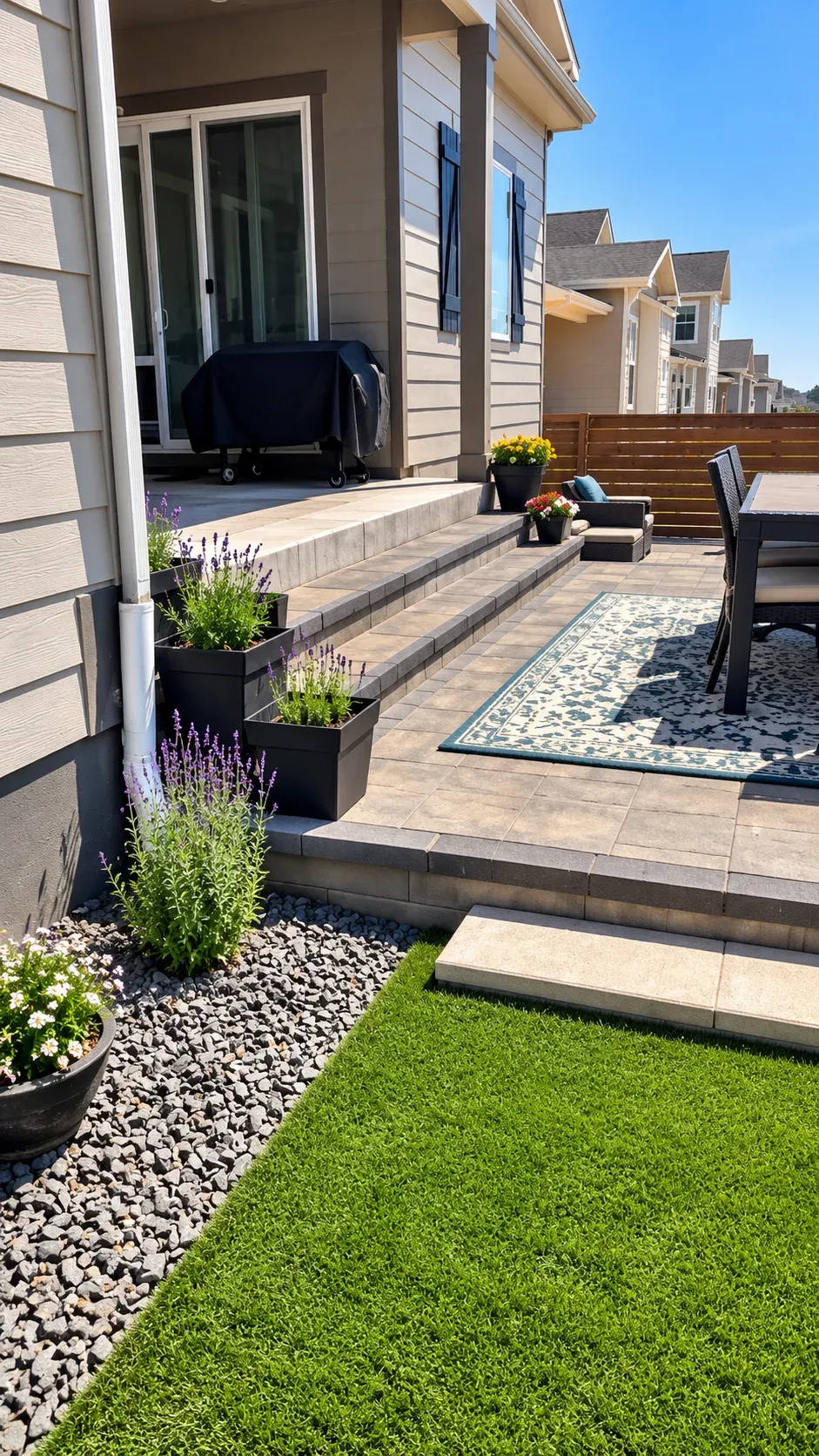
Key Elements: Landscaping Ideas in Colorado
Colorado's diverse climate and topography offer opportunities and challenges for anyone planning a landscape. From dry plains to mountain settings, a successful design responds to its particular site. At Blackrock Landscape, we consider climate, materials, plants, and the way you want to use the property together.
Native plants are a natural starting point. Columbines, yuccas, and grasses suited to the region can bring color and texture while generally needing less water and maintenance than plants poorly matched to the site. The right plant palette depends on your soil, sun exposure, and local conditions.
Elevation and microclimates matter as well. A sheltered space beside a home can have different growing conditions from an exposed slope, and plants suited to cooler, higher sites may differ from those that thrive in warmer, drier places. Water-wise planning, efficient irrigation, and mulch can help a landscape remain beautiful through Colorado's changing seasons.
Creative Hardscaping Ideas for Colorado Homes
Hardscaping includes the non-plant elements of a landscape: paths, patios, retaining walls, and gathering spaces. These features can organize a property, connect different levels, and make the outdoors easier to enjoy.
Natural stone, including flagstone, sandstone, and granite, can create paths and patios that feel at home in Colorado's scenery. Retaining walls can turn a challenging grade into a useful terrace while adding structure and visual interest. Consider how materials, drainage, and circulation work together before choosing a finish.
A pergola or covered seating area can define a place to relax; an outdoor kitchen or fire feature can extend its use into meals and cooler evenings. A thoughtfully placed, recirculating fountain can add sound and movement without treating water as an unlimited resource. The best combination is the one that fits your site and how you actually spend time outside.
Water-Wise Landscaping Techniques
Water-wise landscaping is particularly important where dry conditions and variable precipitation are part of everyday life. A landscape can be colorful and comfortable without relying on excessive irrigation. Start with plants adapted to the local climate, including drought-tolerant choices such as Russian sage, lavender, blue grama, and little bluestem where appropriate for the property.
Drip irrigation can deliver water to root zones more directly than traditional overhead sprinklers. Rain and soil-moisture sensors can help avoid watering when it is not needed. Deep, well-timed watering supports plant health while limiting evaporation and runoff.
Organic mulch helps retain soil moisture, moderate temperatures, and suppress weeds. Permeable surfaces, including gravel and certain pavers, can also allow water to enter the ground rather than running off a fully sealed patio or path. Used together, these choices create a more resilient, lower-maintenance landscape.
Seasonal Landscaping Tips for Colorado Residents
A Colorado landscape changes with the seasons, so its care should change too. In spring, clear winter debris, assess the soil, and add compost where needed. Cool-season annuals can bring early color, and spring can be a good time to divide or transplant some perennials.
Summer's heat makes thoughtful watering a priority. Water deeply and less frequently where plant needs allow, and aim for times of day that limit evaporation. Keep an eye on new plantings, which often need different care from established beds.
In fall, prepare beds for winter with mulch, compost leaves where practical, and consider planting bulbs for spring color. Lawn aeration may help water and nutrients reach the soil. Planning a design project during fall or winter can also give you time to make decisions before the busiest construction season.
Incorporating Outdoor Living Spaces
A well-planned outdoor room extends the ways you can use your home. Begin with the activities that matter most: quiet evenings, family meals, or entertaining friends. Separate dining, lounging, and social areas when the space allows, and use planting, paths, and furniture to make the transitions feel natural.
Shade deserves special attention under Colorado's strong sun. Pergolas, covered patios, trees, and trellises can make seating areas more comfortable while giving the landscape another layer of character. Position shade in relation to the house, the sun, and the views you want to keep.
An outdoor kitchen brings cooking and serving closer to guests, while a fire pit or fireplace offers a gathering point on cooler days. Thinking through these features early helps coordinate utilities, seating, and circulation rather than adding disconnected pieces later.
Sustainable Landscaping Practices
Sustainability starts with decisions suited to the site: durable materials, efficient irrigation, and plantings that can thrive with reasonable care. A diverse selection of native plants can provide habitat for birds, butterflies, and other pollinators while reducing the need for extra water and maintenance.
Healthy soil supports healthy plants. Compost and other organic matter can improve soil structure and fertility, and minimizing unnecessary soil disturbance can help limit erosion. Mulching, thoughtful irrigation, and drought-tolerant planting all support a more resilient garden.
Where appropriate and permitted, rain gardens or captured rainwater can help manage water on site. Using beneficial insects and other low-impact pest controls can also reduce reliance on chemical treatments. These practices work best as part of a cohesive landscape plan rather than isolated additions.
Hiring a Professional Landscaper vs. DIY
The right approach depends on the size and complexity of your project. A smaller planting bed or simple maintenance project may be rewarding to tackle yourself. DIY work gives you hands-on control, but it also takes time, tools, and an understanding of the site.
A professional team can help connect the design with grading, drainage, irrigation, materials, and construction. This becomes particularly valuable for larger projects or features such as retaining walls and patios, where decisions below the surface affect the result for years.
Consider your budget, experience, and available time before deciding what to do yourself. Blackrock Landscape takes a design-build approach, coordinating the design and installation so that all parts of the outdoor space serve the same plan.
Conclusion: Transforming Your Colorado Home's Curb Appeal
The most effective landscaping ideas for a Colorado home begin with its climate, terrain, and the people who live there. Native and water-wise plants, practical hardscaping, and connected outdoor living areas can make the property both welcoming and useful.
Seasonal care and sustainable choices help the landscape keep its character over time. Whether you start with a planting plan or a complete backyard transformation, thoughtful design brings the details together and creates a place you will enjoy living with.